
Weather changes more than daily plans. It can influence how pets experience their environment, regulate stress, and respond behaviourally. This article explains how environmental pressure shapes behaviour and check out my episode, Weather Shapes State and Behaviour below, to understand practical ways you can support your pet.
(For more across a range of topics, explore the full Science of Connection playlist here).
Animals experience the world through sensory systems that often detect change earlier and at lower thresholds than humans. Rain alters sound transmission. Wind changes scent predictability. Ground conditions influence stability and physical effort. Temperature and humidity influence comfort and pain perception. Research across welfare science and behavioural neuroscience links predictability, physical comfort, and perceived control with emotional stability and behavioural expression (Boissy et al., 2007; McEwen and Wingfield, 2003).
Behaviour reflects the interaction among physical comfort, sensory load, learning history, emotional state, and perceived safety. Environmental change can influence several of these simultaneously. An animal managing mild joint discomfort may cope well on a dry day. Add cold, damp conditions, increased background noise, and reduced outdoor exploration, and coping capacity may narrow. Behaviour that appears sudden often reflects cumulative pressure building over time, consistent with models of allostatic load (McEwen and Wingfield, 2003).
Animals form strong associations during experiences linked to discomfort, fear, or high arousal. A single event, such as being startled by storm noise or splashed by passing traffic, can alter how safe a location feels in the future. Research into emotional memory and threat learning demonstrates how high arousal can strengthen memory formation for aversive events (LeDoux, 2000).
This becomes particularly relevant for behaviours linked to vulnerability, including toileting and movement through open environments. When outside conditions become unpredictable or uncomfortable, behavioural adjustment often follows. Veterinary behavioural medicine research continues to highlight links between physical pain, stress load, and behavioural change in companion animals (Epstein et al., 2015; Mills et al., 2020).
Supporting animals through environmental change rarely requires complex intervention. Consistency, physical comfort, and predictability reduce physiological load. Opportunities to express species-typical behaviour support emotional regulation when environmental access is restricted. Adjustments such as altering walking routes during storms, providing sheltered toileting areas, or increasing indoor enrichment can support coping and confidence.
Behaviour reflects ongoing interaction between body state, environment, and experience. Weather provides a clear illustration of this relationship. Recognising environmental influence supports more effective welfare and behaviour outcomes and supports stable human-animal relationships over time.
Further Reading
- Boissy, A., Manteuffel, G., Jensen, M.B., et al. (2007). Assessment of positive emotions in animals to improve their welfare. Physiology & Behaviour, 92(3), 375–397. doi: 10.1016/j.physbeh.2007.02.003.
- Epstein, M., Rodan, I., Griffenhagen, G., et al. (2015). 2015 AAHA/AAFP Pain Management Guidelines for Dogs and Cats. Journal of Feline Medicine and Surgery, 17(3), 251–272. doi: 10.1177/1098612X15572062
- LeDoux, J. (2000). Emotion circuits in the brain. Annual Review of Neuroscience, 23, 155–184. doi: 10.1146/annurev.neuro.23.1.155.
- McEwen, B.S. & Wingfield, J.C. (2003). The concept of allostasis in biology and biomedicine. Hormones and Behaviour, 43(1), 2–15. doi: 10.1016/s0018-506x(02)00024-7
- Mills, D.S., Demontigny-Bédard, I., Gruen, M., et al. (2020). Pain and problem behaviour in cats and dogs. Animals, 10(2), 318.
https://doi.org/10.3390/ani10020318
Learn more about our classes
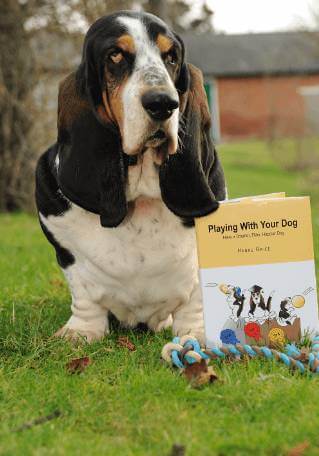
Get Hanne's book, clothing and more
Hanne has a number of publications including her book Playing With Your Dog to help owners work out the games that are best suited for their pet to play throughout his life, from puppyhood to old age, available from Amazon. Check out Hanne's range of contemporary casuals The Collection – for pet lovers made from recyclable, organic materials that are sustainably sourced.