Pets

Science of Connection – the Frustration Threshold
Frustration underlies many behavioural concerns observed in dogs, yet it is often mistaken for overexcitability, stubbornness, or deliberate disobedience. Yet frustration arises when an animal is motivated to obtain something they value but cannot, or when an expected outcome repeatedly…

Science of Connection – the Play Dynamic
Play is often treated as exercise or enrichment, yet behavioural science shows it plays a central role in emotional regulation,…
Why Behaviour in Dogs and Cats Is Never Just About the Animal
Behaviour in dogs and cats is often misunderstood when labels replace explanation. A clinical perspective shows how learning, environment, and…
New Year, New Thinking: When Dog Training Doesn’t Transfer Beyond the Home
The New Year often feels like a natural point to take stock. For many dog owners and guardians, that means…
Science of Connection – the Cortisol Conversation
Cortisol is often described as a stress hormone, yet its role is broader and more nuanced. It helps the body…

Science of Connection – the Dopamine of Discovery
If you’ve seen my 𝘏𝘰𝘸 𝘋𝘰𝘦𝘴..… series, you’ll know I enjoy pulling apart the science of why animals do the…
The Science of Connection – Synchrony
My Science of Connection series is designed to provide bite-sized information for dog owners and guardians, focusing on the biological threads that…

The Science of Connection – the Oxytocin Loop
My Science of Connection series is designed to provide bite-sized information for dog owners and guardians, focusing on the biological…

Do Dogs Sense Pregnancy? What The Science Tells Us About Behaviour Changes Before and After Birth
Many dog owners notice their dog acting differently during pregnancy. New research published in Anthrozoös shows that dogs often become…

How Does a Dog Shake – and Why?
A dog’s shake is one of nature’s most efficient designs. It looks simple – a quick ripple from nose to…
Learn more about our classes
Get Hanne's book, clothing and more
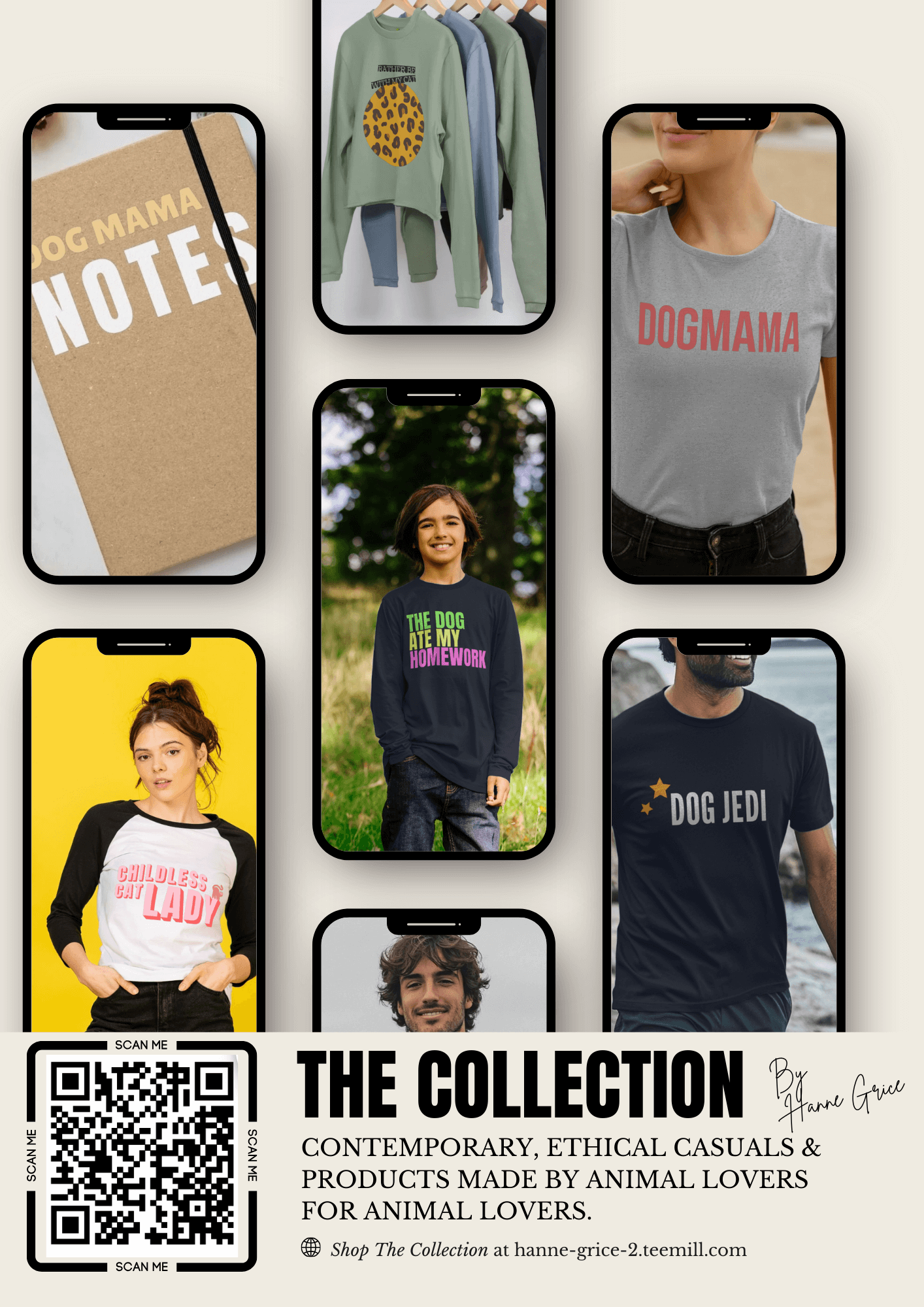
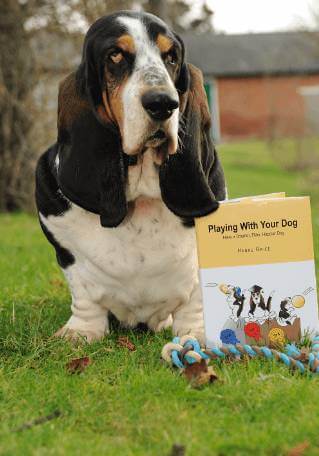
Hanne has a number of publications including her book Playing With Your Dog to help owners work out the games that are best suited for their pet to play throughout his life, from puppyhood to old age, available from Amazon. Check out Hanne's range of contemporary casuals The Collection – for pet lovers made from recyclable, organic materials that are sustainably sourced.