Walk the Dog
Successful Dog Behaviour Change: The art of slowing down
In a world where instant gratification has become the norm, we often seek quick fixes and immediate results. This tendency can extend to how we approach pet training and behaviour modification. However, one principle all pet parents should consider when…

Back to school: what the change in routine may mean for your dog or cat
When children return to school, dogs and cats may face changes in company, meals and time alone. Here’s what research…

The quiet excellence of humane dog training
Fast, dramatic dog-training transformations make compelling viewing. Yet good behaviour work is often quieter, working below threshold, supporting learning and…
Do dogs perceive time and if so – how?
I am often asked whether dogs perceive time, and if so, how do they perceive it? This question has long…

Animal Practitioner Series: Burnout in animal behaviourists and trainers – some prevention and mitigation strategies
This article is aimed at animal practitioners to help them better understand burnout, how it occurs and how to avoid…

Could DNA traces on dogs be a forensic goldmine?
Whilst dogs have always been human’s best friend, new research suggests they might also be valuable allies in the world…
What I Wish I Knew Before I Got a Dog
Owning a dog is a rewarding experience filled with love, loyalty, and companionship. However, it also comes with its fair…
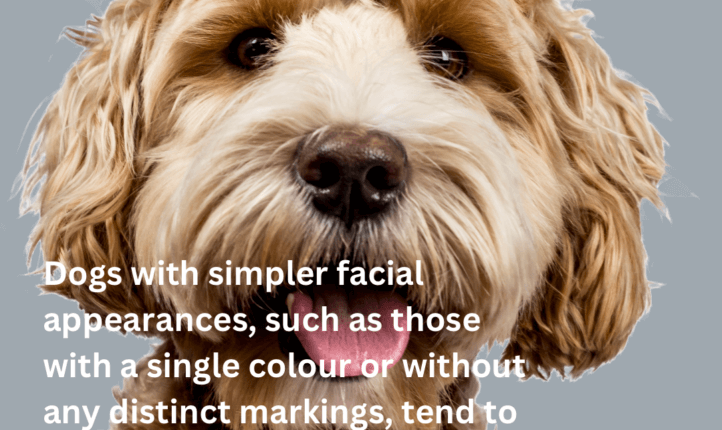
New study suggests dogs with plainer faces are more expressive to their owners
A recent study from George Washington University has shed light on the fascinating relationship between dogs and their human companions,…

How Do Dogs Show Their Love? A Scientific Exploration
Over the last two decades the number of studies on domestic dogs have exploded. This surge in research has allowed…
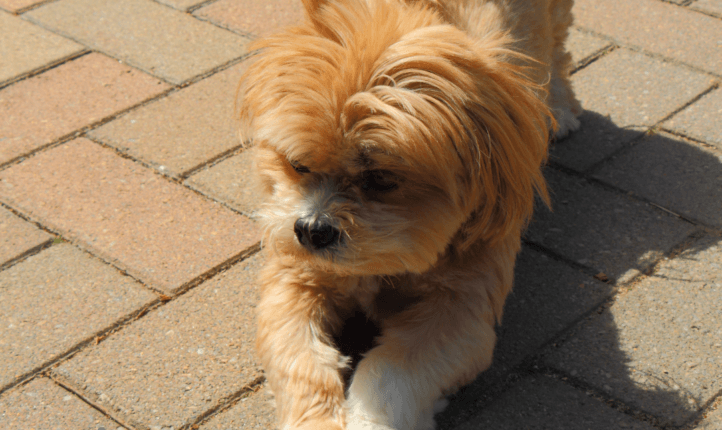
Understanding Dog Stretching: From Greetings to Pain Signals
Dogs, much like humans, have a natural inclination to stretch. This behaviour is not only a sign of comfort and…
Learn more about our classes
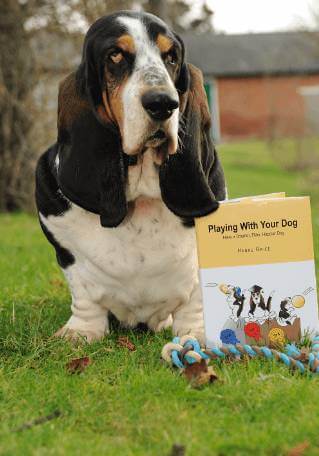
Get Hanne's book, clothing and more
Hanne has a number of publications including her book Playing With Your Dog to help owners work out the games that are best suited for their pet to play throughout his life, from puppyhood to old age, available from Amazon. Check out Hanne's range of contemporary casuals The Collection – for pet lovers made from recyclable, organic materials that are sustainably sourced.