Halloween will soon be here. While this may be great fun for many, it can be a time of real worry for our animals. Having the door knocked or bell rung throughout the evening, then people dressed in strange-looking outfits shouting “Trick or Treat” could spook even the most placid of pets and send super-keen door greeters into a spin.
Planning ahead means we can reduce some of those predictable pressure points before the first trick-or-treater arrives.
What does this look like in practice?
In this short video, I show some of the preparation I put in place at home with Blaze and Fluffy ahead of Halloween, including thinking about access to the front door, comfortable resting areas and activities they can choose to engage with.
Watch the Halloween preparation video
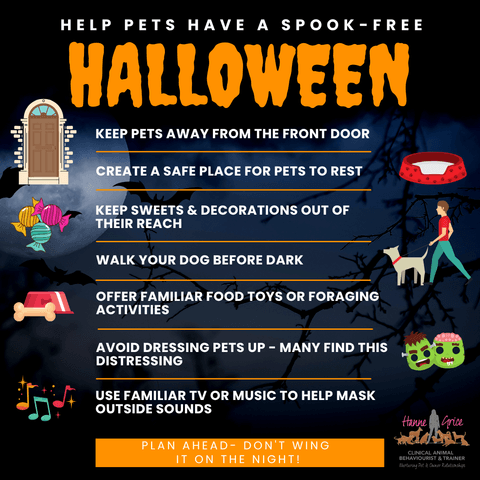
See my infographic for quick Halloween tips, with more advice below to help your pets feel comfortable and safe.
Reduce potential stress for pets this Halloween by following our top tips.
- Ensure your pets’ microchip and identification details are current. If they accidentally escape, up-to-date contact details make it much easier for them to be reunited with you.
- Walk your dog before it gets dark (when trick-or-treaters typically start their rounds).
- Secure your garden. Check fencing and gates during daylight for gaps your pet could escape through if startled. Accompany your dog on evening toilet trips and use a lead if there is a risk they could bolt. If your cat usually goes outside, gradually introduce an earlier evening routine ahead of Halloween. Encourage them indoors before dusk, then secure their usual exits. Provide clean litter trays in quiet, accessible places, with food, water, resting/hiding spots.
- Create a ‘safe place’ for your pet. To reduce high arousal, this should be a place that is away from the front door/hallway and any windows that look out to the main entrance. Make this area as cosy as possible (for example, put an old T-shirt you have slept in on your dog’s bed or a cosy blanket) and shut the curtains/blinds. Get your pet used to relaxing in this area ahead of Halloween, with company if they need it. Before opening the front door, ensure they are comfortably settled behind a secure internal door or suitable barrier they cannot jump over or slip through.
- Use familiar background sound. Gentle music or familiar television may help soften some outside noise. Introduce this ahead of Halloween, at a comfortable volume, and watch how your pet responds. You can pair the sound with quiet time together and gentle stroking if they enjoy it. Choose sounds they settle comfortably with, as music labelled “calming” will not suit every animal.
- Help them to sniff about/chew/lick. Choose familiar activities your pet already enjoys, suited to their species, health and chewing habits. Sniffing, chewing, licking and foraging can give them something familiar to do while activity continues outside, although whether they choose to engage will depend on the individual and how they are feeling. Options might include scatter feeding, treat-dispensing toys, puzzle feeders, stuffed food toys or suitable foraging activities. For more ideas on how to help keep your pet’s brain and body busy in a positive way, check out my book Playing With Your Dog.
- Consider whether a pheromone product could help. Species-specific pheromone diffusers or sprays may provide additional support for some pets. Different products are intended for different situations, and benefits vary. Ask your vet or qualified behaviourist which, if any, may be appropriate. Follow the product instructions and use alongside practical changes that reduce noise, disturbance and unwanted contact.
- Keep Halloween costumes for the humans. Costumes can restrict movement, affect vision or hearing, cause overheating and interfere with normal communication. Let your pet enjoy the evening comfortably, with the freedom to move, rest and retreat.
- Plan a comfortable evening at home. Groups of excited people in unfamiliar outfits can be unsettling for some animals. Arrange for your dog to stay home with a familiar person if they would find trick-or-treating or being left alone difficult. If your pet seeks your company, stay nearby and offer gentle contact if they enjoy it. Comforting a frightened animal is appropriate. If they choose to hide, let them remain there. Avoid pulling them out, holding them still for visitors or scolding barking, growling or other signs of discomfort. These responses give you information about how they are coping.
- If you’re having a Halloween bash:
- If your dog already enjoys staying with a familiar carer, consider arranging a quiet evening there, away from the party.
- Alternatively, ensure your pets have ready access to their ‘safe place’ and visitors are kept away so they can remain undisturbed.
- Avoid placing Halloween decorations within your pet’s reach.
- Be careful with candles placed in carved pumpkins; these can easily be knocked over by cats and dogs. LED lights can be a safe alternative where young children and pets are around.
- Always clear up after a party where sweets, alcohol, costumes and special-effects make-up have been used; this can be hazardous to pets.
If your pet already struggles with visitors, sudden sounds or fireworks, speak to your vet ahead of Halloween so support can be planned. A little preparation, familiar routines and somewhere comfortable to retreat can help your pets cope with the evening.
Learn more about our classes
Get Hanne's book, clothing and more
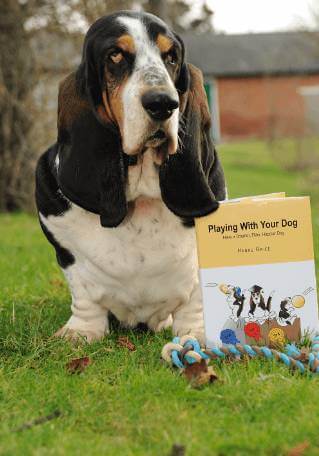
Hanne has a number of publications including her book Playing With Your Dog to help owners work out the games that are best suited for their pet to play throughout his life, from puppyhood to old age, available from Amazon. Check out Hanne's range of contemporary casuals The Collection – for pet lovers made from recyclable, organic materials that are sustainably sourced.