
It was my absolute pleasure to be invited to join Michael Hingson on Unstoppable Mindset for Episode 454.
Michael is a best-selling author, speaker and 9/11 survivor. Many people know his story through Roselle, the guide dog who helped guide him out of the North Tower on 11 September 2001.
I had previously covered Michael and Roselle’s story in my Animals in History series, so speaking with Michael directly about Roselle, trust and the bond between a person and their guide dog felt especially meaningful.
The conversation moved from Roselle and 9/11 to the animals living in our homes today. We talked about pets, stress, grief, guide dogs, secure bonds, owner guilt, cats, small animals, pregnancy and early parenthood, behaviour science, agency, and why dominance-based explanations can take us further away from what the animal actually needs.
At the heart of it was trust. The trust between Michael and Roselle. The trust animals build with us at home. And the trust we can damage when we label behaviour before we understand it.
Behaviour is information
One of the themes we came back to was how easily animal behaviour can be misread. A dog barking at visitors may be labelled protective, stubborn or naughty. A cat who hides may be called aloof. A rabbit who freezes may be described as calm. A dog struggling around a new baby may be seen as jealous. Those labels can feel neat, but they rarely help us understand what is actually going on.
Behaviour can point towards a combination of stress, pain, uncertainty, fear, frustration, previous learning, medical issues, unmet needs, and/or an environment asking too much of the animal in that moment. That is why we need to look at the animal in front of us, the household, the environment, the learning history, the medical picture, and what life feels like from that animal’s point of view to understand what is driving the undesirable behaviours.
What we talked about
Across the hour-long episode, Michael and I talked about:
- how animals communicate before anyone has said a word
- why “dominance” is often a poor explanation for behaviour
- how medical issues can sit behind behaviour that looks like disobedience
- what agency can look like in everyday life
- how pets influence human routines and emotions
- why pregnancy and early parenthood can alter family life for dogs
- why cats and small animals are so often misunderstood
- grief, attachment and the emotional weight of living with animals
- the quiet ways animals change us, often before we notice it
We also talked about science communication, my How Does… and Animals in History series, and the responsibility that comes with making animal behaviour science clear without flattening the animal in the process.
Why this episode might be helpful for owners…
When an animal is struggling, the first useful question is rarely, “How do I stop this?” A better question is often, “What might be driving this?” That shift can change how we respond to barking, lunging, hiding, growling, toileting problems, handling sensitivity, separation-related distress, fear of visitors, or sudden changes in behaviour. It moves us away from blame and towards better questions.
- What does safety look like for this animal?
- What has changed?
- Could pain or illness be involved?
- What is the animal learning from this situation?
- What choices do they have?
- What support would make this feel more manageable?
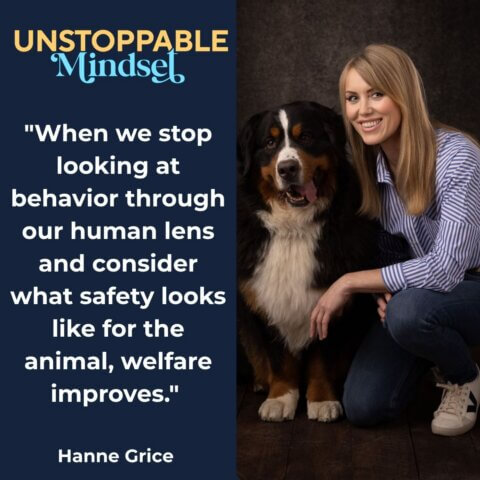
When we stop looking at behaviour only through a human lens and consider what safety looks like for the animal, welfare improves.
A note for animal professionals
For animal professionals, the episode may also be useful reflective CPD listening. We talked about observation, agency, human behaviour change, medical context, trust, grief, owner guilt, and the importance of helping people feel less blamed and more able to act.
People often arrive in behaviour work feeling embarrassed, worried, judged or exhausted. If we want them to make meaningful changes for their animal, adding shame to the room helps nobody. Good behaviour support is not just about reading the animal. It is also about understanding the human context with care.
Listen or watch
You can listen to the full episode on Michael’s website, Spotify, Apple Podcasts and other podcast platforms:
Listen here:
https://michaelhingson.com/podcast/
You can also watch the interview on YouTube:
Watch here:
https://youtu.be/8C6yrYK5RDo
Learn more about our classes
Get Hanne's book, clothing and more
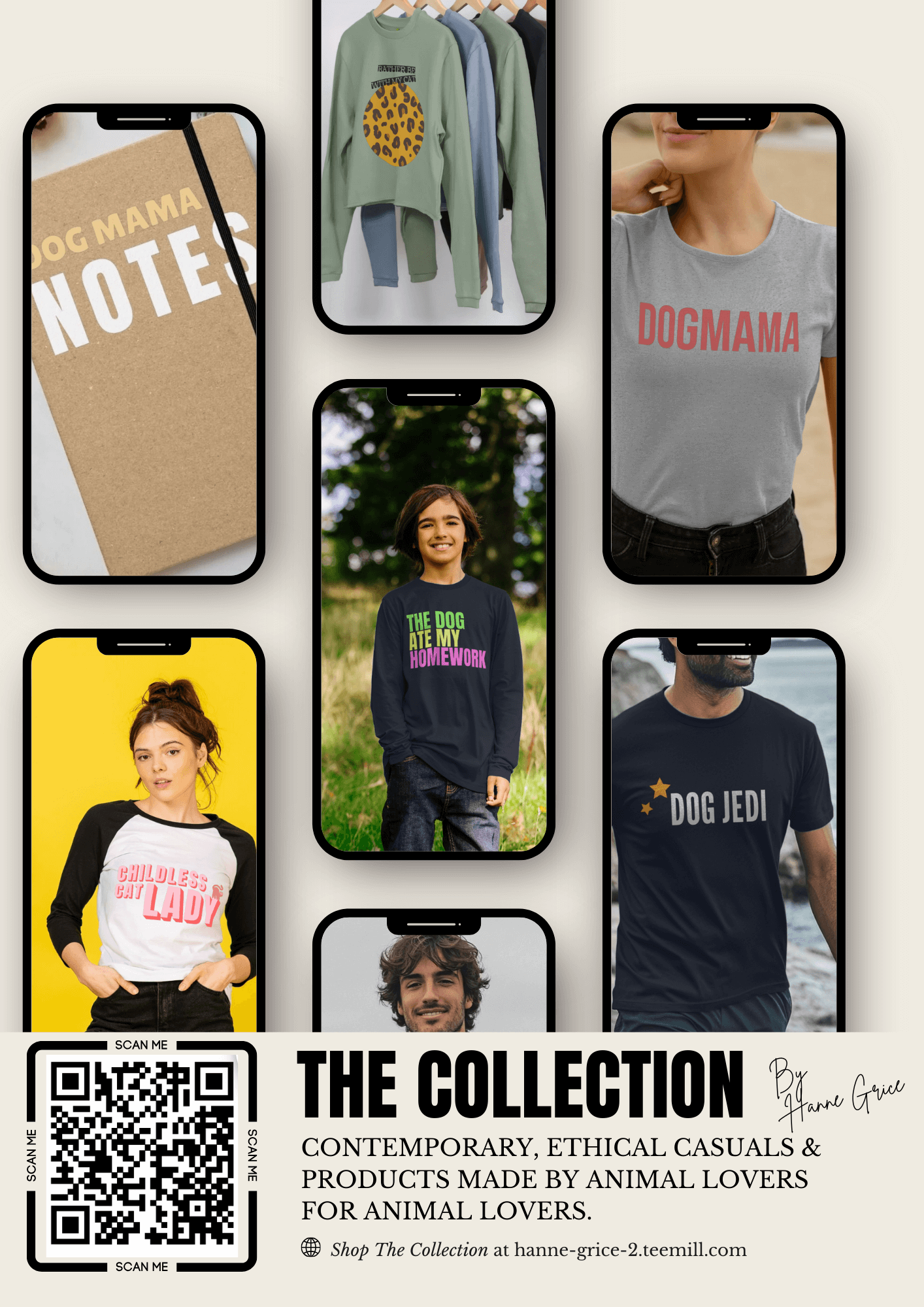
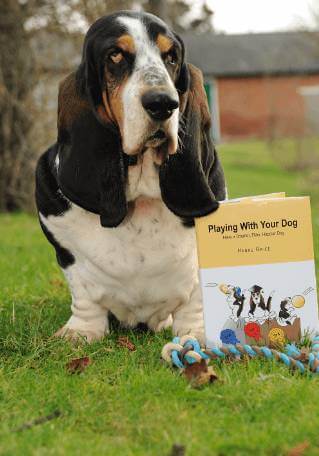
Hanne has a number of publications including her book Playing With Your Dog to help owners work out the games that are best suited for their pet to play throughout his life, from puppyhood to old age, available from Amazon. Check out Hanne's range of contemporary casuals The Collection – for pet lovers made from recyclable, organic materials that are sustainably sourced.