A veterinary or behaviour plan can make perfect sense during a consultation, yet be much harder to put into practice once the owner gets home. Work, family routines, an animal’s needs and our own habits can all influence what happens next.
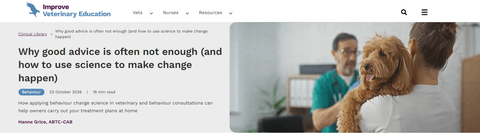
In my latest article for Improve Veterinary Education, published through the Association of Pet Behaviour Counsellors (APBC), I explore how behaviour change science can help veterinary teams and clinical animal behaviourists understand these challenges and support owners more effectively.
Drawing on the COM-B model and veterinary communication research, the article considers how capability, opportunity and motivation influence whether advice can be followed. It also offers practical suggestions for making recommendations more manageable and reviewing progress during follow-up consultations.
The subject is one I draw on in my clinical behaviour work, MSc teaching in animal behaviour consulting and human-animal interactions and psychology, and my professional CPD courses.
Read the full article here:
Learn more about our classes
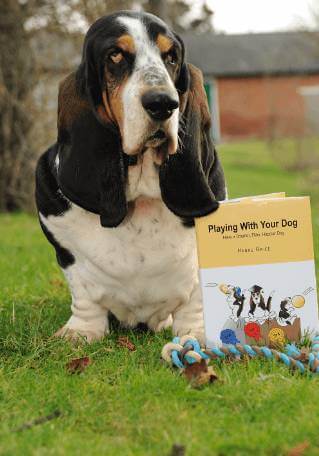
Get Hanne's book, clothing and more
Hanne has a number of publications including her book Playing With Your Dog to help owners work out the games that are best suited for their pet to play throughout his life, from puppyhood to old age, available from Amazon. Check out Hanne's range of contemporary casuals The Collection – for pet lovers made from recyclable, organic materials that are sustainably sourced.