Ageing changes how dogs take in and respond to the world, and the early signs often appear in small, everyday moments. A slower turn of the head, a pause in a doorway or a longer search for a dropped treat can all reflect shifts in how the ageing brain organises information.
Research shows that ageing affects learning, memory, attention and executive control in pet dogs (Chapagain et al., 2020). Older dogs can find it harder to switch tasks, filter distractions or adapt to new rules. These changes do not signal an end to learning. They simply mean familiar tasks take more effort, and missed cues often reflect processing load rather than stubbornness.
Many senior dogs also experience changes in sleep–wake cycles, social responsiveness or short episodes of disorientation. Some develop canine cognitive dysfunction, which has similarities to human dementia. Others age more gradually with milder shifts in behaviour and cognition. In both cases, long-term routines offer important support. Shared habits, from walking routes to evening rituals, act as anchors that help older dogs stay oriented and confident as their needs evolve.
Movement patterns offer further clues. Studies link gait speed and activity patterns with working-memory performance in senior dogs. A dog who hesitates on uneven surfaces or takes longer to step into a new space may be showing a blend of physical and cognitive adjustment. Noticing these small changes helps guardians adapt the environment early, before issues escalate.
In The Longevity Loop, I explore how these biological shifts sit within the routines we build with our dogs, and how thoughtful adjustments can make daily life easier for ageing brains and bodies.
Supporting Your Older Dog
Keep routines steady
Consistent walk, feeding and rest times reduce the cognitive effort of predicting what comes next.
Allow extra processing time
Give older dogs longer to respond to cues or navigate thresholds. A short pause before repeating yourself respects the extra time their brain may need.
Match your pace to theirs
Shorter walks, gentler transitions and avoiding sudden changes help them manage movement more comfortably.
Reduce sensory clutter
Soft lighting, predictable noise levels and clear pathways to resting spots and garden exits make navigation easier.
Use gentle engagement
Low-impact scent work, simple puzzles and calm social interaction help maintain attention and working memory without overwhelming them.
These adjustments fine-tune the world around older dogs, allowing their long-established skills and relationships to keep doing the heavy lifting.
Watch The Longevity Loop below and explore the full Science of Connection playlist for more episodes.
References
- Chapagain, D. et al. (2020) ‘Behavioural and cognitive changes in aged pet dogs’, PLOS ONE, 15(9), e0238517.
- Wallis, L.J. et al. (2016) ‘Aging effects on discrimination learning, logical reasoning and memory in pet dogs’, AGE, 38, 6.
- Landsberg, G.M., Nichol, J. and Araujo, J.A. (2012) ‘Cognitive dysfunction syndrome: a disease of canine and feline brain aging’, Veterinary Clinics of North America: Small Animal Practice, 42(4), pp. 749–768.
- Dewey, C.W. et al. (2019) ‘Canine cognitive dysfunction: Pathophysiology, diagnosis, and treatment’, Journal of Veterinary Internal Medicine, 33(6), pp. 2404–2416.
- Mondino, A. et al. (2023) ‘Activity patterns are associated with fractional lifespan and working memory in pet dogs’, Scientific Reports, 13, 1287.
Learn more about our classes
Get Hanne's book, clothing and more
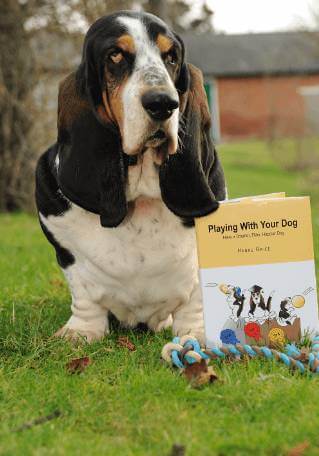
Hanne has a number of publications including her book Playing With Your Dog to help owners work out the games that are best suited for their pet to play throughout his life, from puppyhood to old age, available from Amazon. Check out Hanne's range of contemporary casuals The Collection – for pet lovers made from recyclable, organic materials that are sustainably sourced.