behaviour

Hormone Replacement Therapy and the risk to our pets
NOTE: It’s important to acknowledge that hormone replacement therapy (HRT) is vital for many individuals, including trans people and those experiencing menopause. The intention of this article is to highlight the potential risks of hormone transfer to animals, regardless of the…
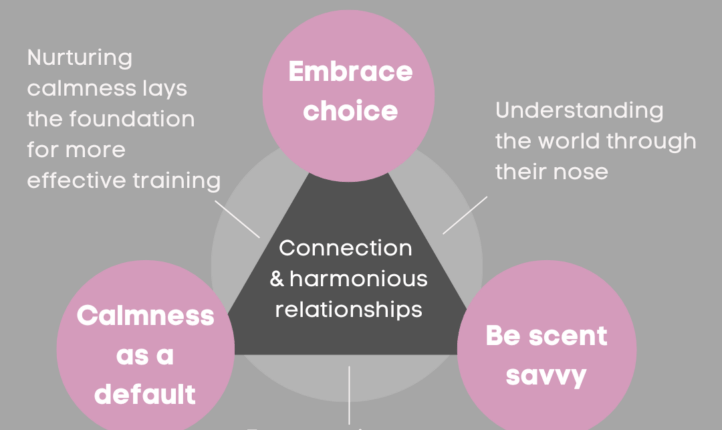
Three principles all dog owners can apply
Dog training isn’t just about getting a behaviour and attaching a cue to it; instead, I like to consider it…

Why do dogs wink?
Dogs have a flexible behavioural repertoire and among the many gestures they exhibit, the act of winking is one that…
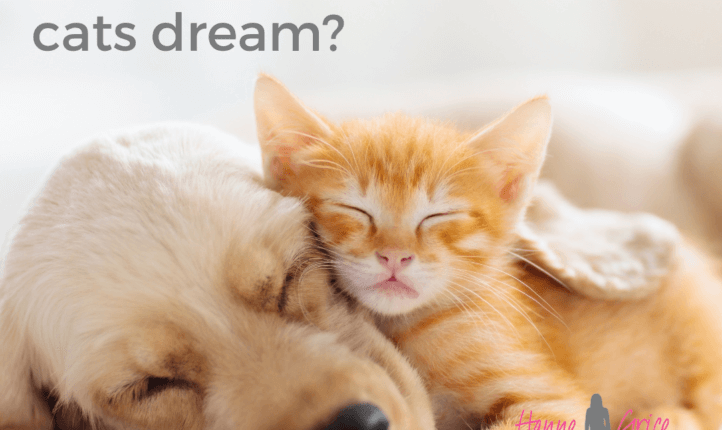
Do Dogs and Cats Dream?
If you’re a pet owner, you’ve probably found yourself watching your furry friend as they sleep, wondering what’s going on…

Autumn alert – keeping pets safe from seasonal hazards
Autumn is one of my favourite times of the year – the leaves are turning shades of orange and golden…

Why do dogs lick?
As dog owners/guardians, we frequently observe our furry friends engaging in the universal dog behaviour: licking. But have you ever…
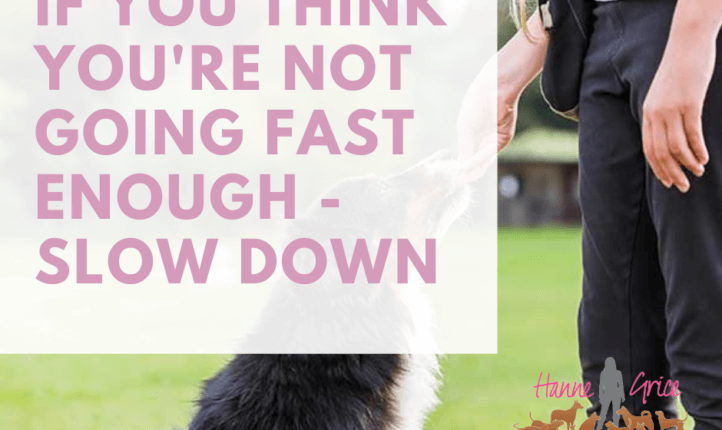
Successful Dog Behaviour Change: The art of slowing down
In a world where instant gratification has become the norm, we often seek quick fixes and immediate results. This tendency…
Do dogs perceive time and if so – how?
I am often asked whether dogs perceive time, and if so, how do they perceive it? This question has long…
Exciting News for Animal Professionals!
We’re thrilled to announce the launch of a ground breaking course: “Human Behaviour Change for Animal Professionals” by renowned animal…
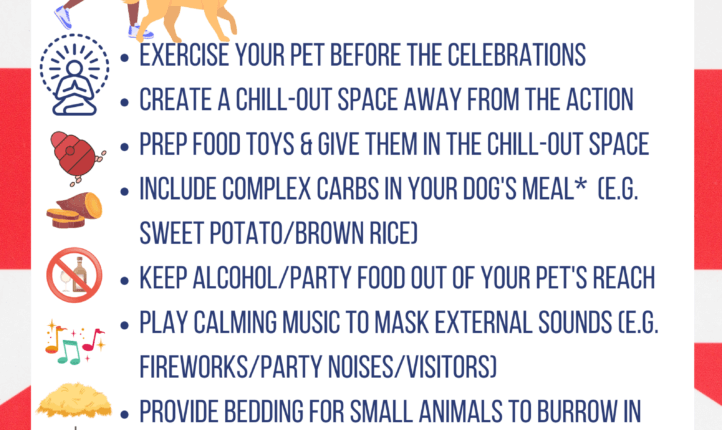
Coronation Day – tips for pet owners
As the King’s Coronation draws near, many households may be gearing-up to celebrate this event. This might include street parties,…
Learn more about our classes
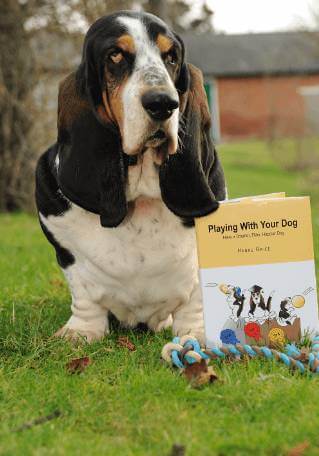
Get Hanne's book, clothing and more
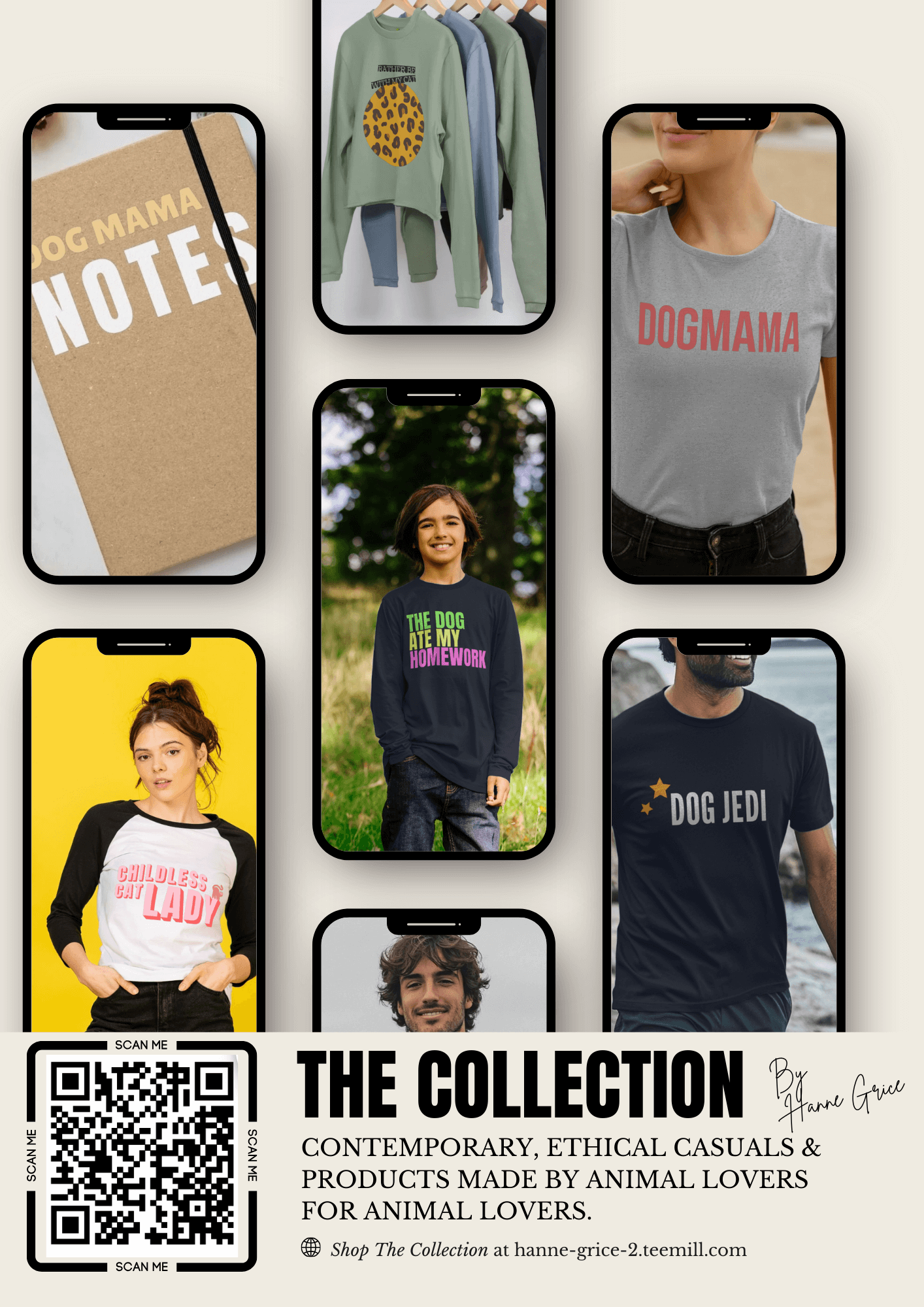
Hanne has a number of publications including her book Playing With Your Dog to help owners work out the games that are best suited for their pet to play throughout his life, from puppyhood to old age, available from Amazon. Check out Hanne's range of contemporary casuals The Collection – for pet lovers made from recyclable, organic materials that are sustainably sourced.