pets
Unravelling the Neuroscience behind Separation-Related Problems in Dogs and Cats
Separation-related problems in dogs and cats are often more complex than “they miss us”. This article looks at the neuroscience behind separation distress, including stress physiology, the limbic system, early-life experience, individual differences and why treatment needs to be tailored…

Exploring the Emotional World of Dogs: Insights from MRI Scans on Love, Joy, Fear, and Their Practical Applications for Dog Owners
In recent years, advances in neuroscience have provided a glimpse into the emotional lives of our canine friends. Magnetic Resonance…

Things to consider when photographing your child and dog
There is nothing nicer than seeing the bond between a young child and the family dog develop - and capturing…

Coronation Day – tips for pet owners
As the King’s Coronation draws near, many households may be gearing-up to celebrate this event. This might include street parties,…
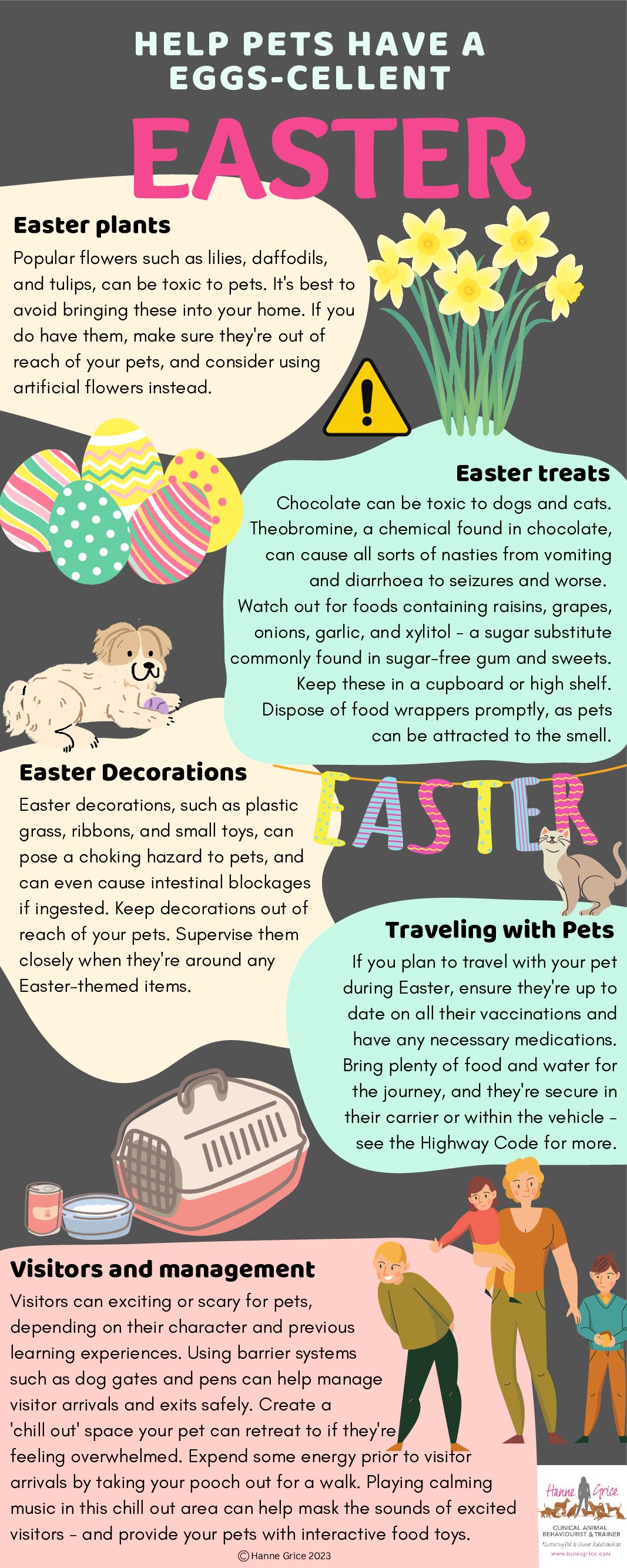
Easter – potential pet hazards during the holidays
Easter is a time for celebrating with family and friends, but it can also be a time of potential hazards…

How does…? The series that answers your animal-related questions
The latest episode in my “How does…?” series looks at how cats drink water compared to dogs. The series is…

What are animal behaviour change programmes and what’s most effective?
Animal behaviour change programmes are aimed at modifying the behaviour of animals to improve their welfare, reduce their impact on…
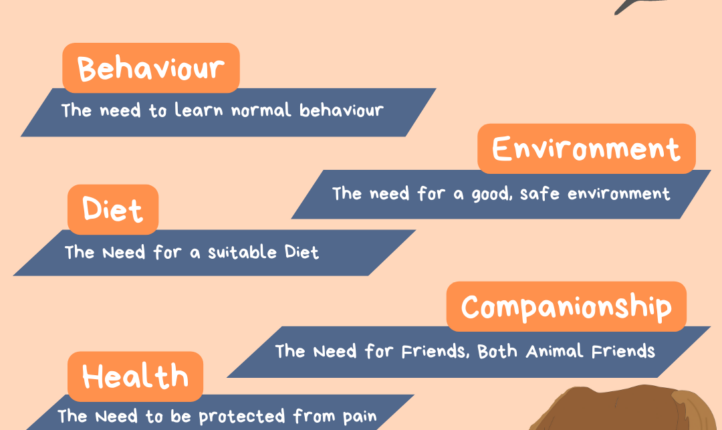
What pets need – the 5 welfare needs
Pets rely on us to look after them, so it is a big responsibility to care for animals. It is…
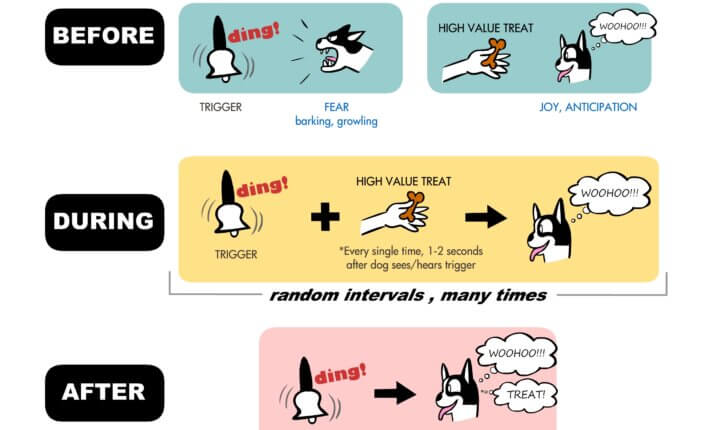
What is counterconditioning in animal training?
Counterconditioning is a form of behavioural therapy that involves changing an animal’s emotional response to a specific stimulus. This is…
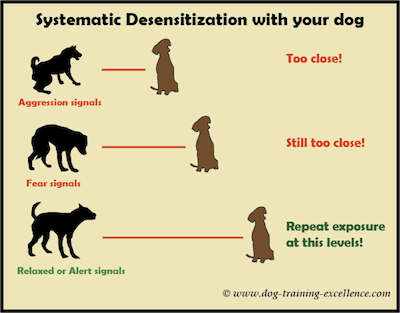
What is desensitisation in animal training?
Desensitisation is a behaviour therapy technique used to reduce a person’s or animal’s fear, anxiety, or other negative emotional response…
Learn more about our classes
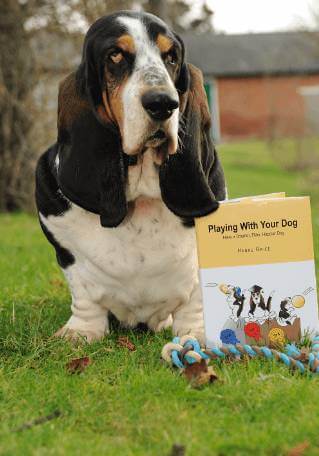
Get Hanne's book, clothing and more
Hanne has a number of publications including her book Playing With Your Dog to help owners work out the games that are best suited for their pet to play throughout his life, from puppyhood to old age, available from Amazon. Check out Hanne's range of contemporary casuals The Collection – for pet lovers made from recyclable, organic materials that are sustainably sourced.